An Open-Air Living Gallery
One of Thessaloniki's most remarkable characteristics is that centuries of monumental architecture and modern public sculpture exist not in closed museums, but directly adjacent to everyday urban walkways. Commuters on their way to work pass beneath 1,700-year-old Roman triumph arches and alongside world-renowned kinetic sculptures without passing a turnstile or paying a cent.
Key Open-Air Monuments to View for Free
1. The Umbrellas of Zongolopoulos
Installed along the wooden boardwalk of Nea Paralia, The Umbrellas (created by modern Greek sculptor George Zongolopoulos) has become an internationally celebrated symbol of Thessaloniki. Rising 13 meters above the seaside deck, the stainless steel frame holds tilted diagonal umbrellas that catch the maritime breeze and sunlight. At night, internal illumination transforms the installation. The entire surrounding deck is open public domain, making photography, resting beneath the sculpture, and casual admiration 100% free.
2. Arch of Galerius (Kamara)
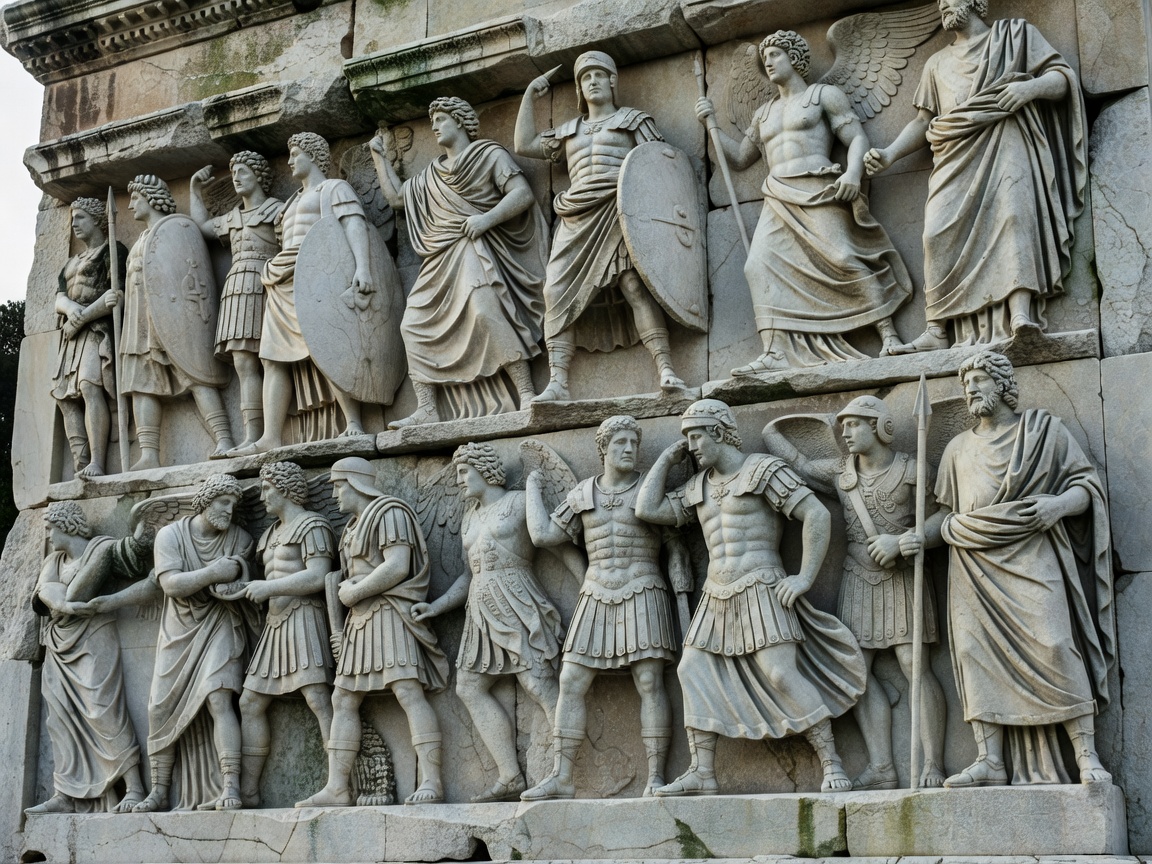
Commissioned by the Roman Emperor Galerius in the early 4th century CE to celebrate a decisive victory over the Persians, this monumental arch spans Egnatia Street. The surviving marble piers are covered in intricate high-relief carvings depicting imperial campaigns, battle arrays, and historical processions. Pedestrians walk directly under and around the arch daily; there are no fences, queues, or tickets required to study the carvings up close.
3. Roman Forum (Agora) Sunken Plaza
Located just north of Aristotelous Square, the ancient Roman Agora complex sits in an excavated depression surrounded by public streets (Filippou and Olympou). While entering the small underground museum room and walking directly upon the mosaic floor requires a standard state heritage admission ticket during open hours, the entire expansive forum—including the semi-circular odeon, colonnaded foundations, and double-tiered cryptoporticus—is fully visible from the public perimeter railings at zero expense.
4. Rotunda Exterior Precinct
Constructed as part of the same imperial Roman complex as the Arch, the massive circular Rotunda later became a Christian church and an Ottoman mosque (as evidenced by its surviving minaret). While entering the interior to see the Byzantine ceiling mosaics has an official entry ticket, the exterior landscaped plaza and massive brick walls can be appreciated from the pedestrian street that circles the monument.
Clarity on Free vs. Paid Access
The city's heritage landscape allows flexible budgets:
- Outdoor Public Viewing: Completely free. Kamara, the Umbrellas, street-level views of the Roman Forum, and public sculptures along the seaside parks incur no fees.
- Interior State Museum Entries: If you choose to step inside the Rotunda or the Roman Forum subterranean exhibits, modest entry fees are charged by the Hellenic Ministry of Culture. Free admission days also occur on select national dates (such as the first Sunday of the month during the winter season).